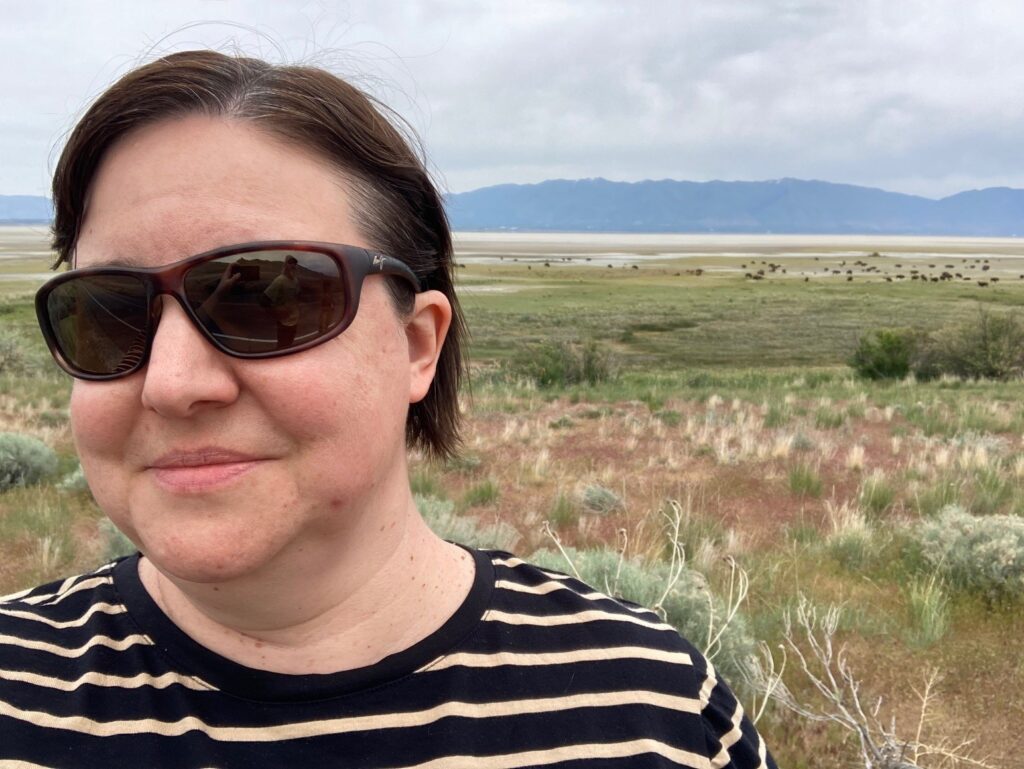


I had the opportunity to attend the EmPATH Summit in May in Salt Lake City, and it was a fantastic time. The scenery was beautiful, the weather was great and, most importantly, I learned a lot. I was especially interested in attending because EmPATH is new to Wisconsin. In April, Emplify Health by Gundersen opened Wisconsin’s first EmPATH unit in La Crosse. Since I haven’t had the chance to visit that unit in person yet, I was still trying to understand exactly how the model works. After spending a few days at the summit, I walked away with a much clearer picture. Here are my top three takeaways, plus a bonus fourth.
EmPATH, which stands for Emergency Psychiatry Assessment, Treatment and Healing, is a care model designed to provide people experiencing behavioral health crises with a calmer, more supportive alternative to a busy emergency department. Developed by Dr. Scott Zeller, the model is based on research showing that many psychiatric emergencies can be stabilized without requiring hospital admission. By quickly connecting patients with psychiatrists and a dedicated care team, this human-centered, dignity-first approach focuses on timely treatment, ongoing assessment and personalized care.
1. Expert Insights
One of the biggest highlights of the summit was hearing directly from the pioneers and leaders who helped develop and implement the EmPATH model across the country. Their presentations went beyond theory and focused on practical lessons learned, challenges they faced and the outcomes they have seen for patients, families and care teams. Hearing these real-world stories gave me a deeper appreciation for how the model works in practice and reinforced the importance of creating systems of care that prioritize dignity, compassion and rapid access to treatment during a behavioral health crisis.
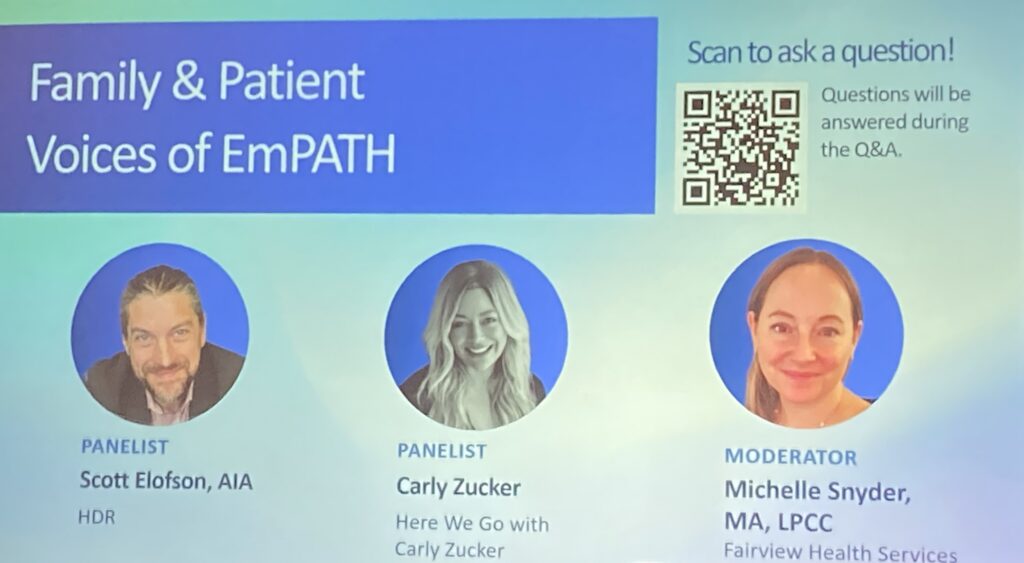
2. There’s More Than One Way to Build an EmPATH Unit
The summit featured a variety of case studies from EmPATH units across the country. One key takeaway was that there is no single blueprint for success. Units varied in size, staffing models and physical design, and it was fascinating to hear perspectives from both rural and urban settings. Despite those differences, the common thread was clear: the model of care is what matters most when it comes to helping people in crisis.

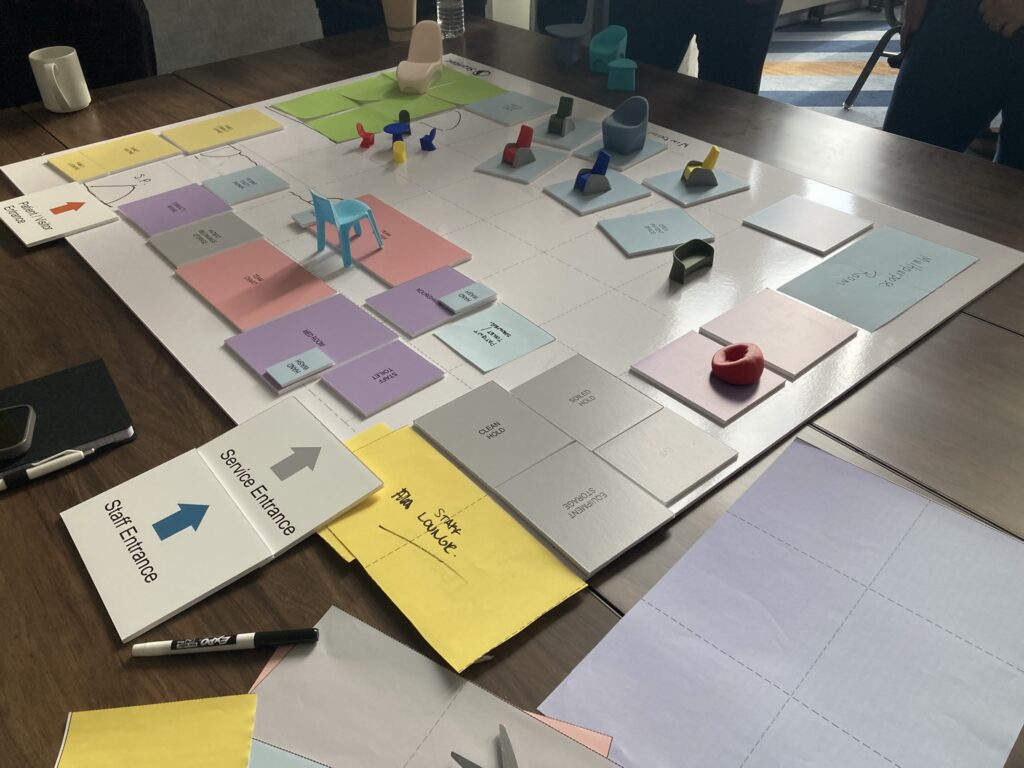
3. Patient and Family Voices Matter Most
The most impactful session for me featured a patient and family member sharing their experiences with an EmPATH unit. Hearing firsthand what they experienced and how they were treated made the model come to life in a way that presentations and statistics never could. That session really helped everything click for me. It showed how EmPATH prioritizes listening to patients, meeting them where they are and starting treatment as quickly as possible.
4. Bison Are Cool
Not every takeaway was about behavioral health.
Bison are amazing animals, but as the locals repeatedly reminded us, you should not try to pet them. If you ever find yourself in Salt Lake City, I highly recommend making time for a visit to Antelope Island, where you can see a bison herd up close—while keeping a safe distance.
Now that I’ve heard from the leaders, staff, family members and patients who make up the EmPATH community, I have a much better understanding of how the model works. Seeing EmPATH from so many different perspectives helped me understand why it is gaining momentum across the country and how it has the potential to transform behavioral health care. As Wisconsin begins its own EmPATH journey, I’m excited to see the impact this approach will have on patients, families and care teams in the years ahead.